
The edit
Where the art of the home becomes clear
Welcome To
Written by Megan Paterson, Principal Designer and Founder
When you think of European design, you may drift in two directions. The first are the gilded, ornate halls of Versailles, the ones you’d admire as you flipped through your Freshman year history book. The second is the hyper-minimalist, glass-and-steel lofts of Berlin, the ones that quietly blend in with our post-Cold War world. But there is a middle ground, a bridge between history and modernity. The kicker? It’s become the gold standard for high-end residential interiors that it’s likely already in your neighborhood.
We believe your home should be a reflection of your life. Beautiful, practical, and uniquely yours. Increasingly, our clients are finding that the Modern European aesthetic provides the perfect blend for that way of thinking.
Where Did All of This Modern European Start?
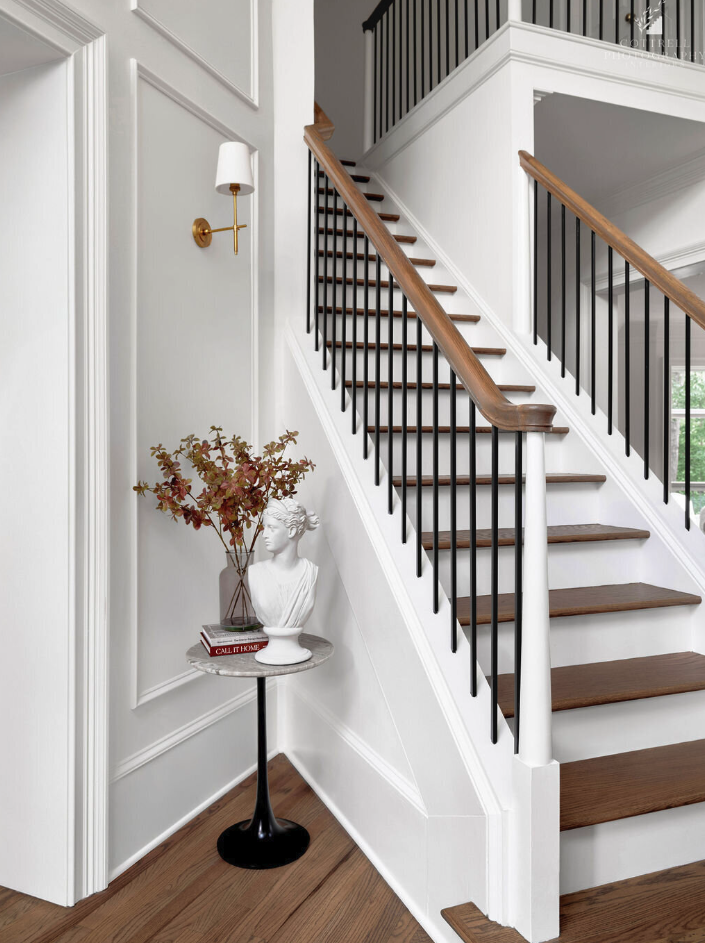
Modern European design has taken time to fully curate. The movement found its footing in the mid-1940s to late-1960s, particularly in Italy and Scandinavia. Designers began to strip away that heavy Victorian look in favor of practicality and clean lines. But they didn’t lose the charm and craftsmanship of what was previously in style. Truthfully, it was born out of a necessity to modernize, bring cities like Paris, Milan, and Copenhagen into a more modern age. Instead of tearing down history, designers and architects simply updated it.
One piece of Modern European we find fascinating is that blend between the antique and the industrial. You can find us in an antique store on any given day in efforts to incorporate history into our present day designs.
What Are the Key Elements of Modern European Design?
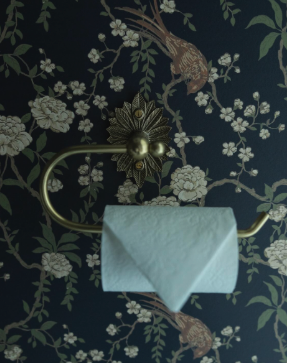
We thought you’d never ask. There are really four pillars to think about when it comes to this style.
1) Architectural detail: Think plaster walls, oversized baseboards, or intricate ceiling medallions. Even in a new build, it’s totally possible to bake in these historical nods.
2) A muted, but still moody, palette: The color story relies on natural tones like sage greens, deep burgundies, ochres, and a range of warm whites.
3) Natural materials over synthetic: We think of the elements and materials in your home like this—if you can touch it, it should be real. That’s an important feature of Modern European. Linen, marble, brass, and light-toned woods are absolutely in. (You’ll get to love the word patina like we do once you experience the look of it!)
4) Functional minimalism: Rather than filling your kitchen or living room with “stuff,” Modern European design focuses on fewer, but better things. A singular, oversized coffee table often carries more weight than a dozen decorative accessories that fill up the entire room.
So, How’d All This End Up in America?
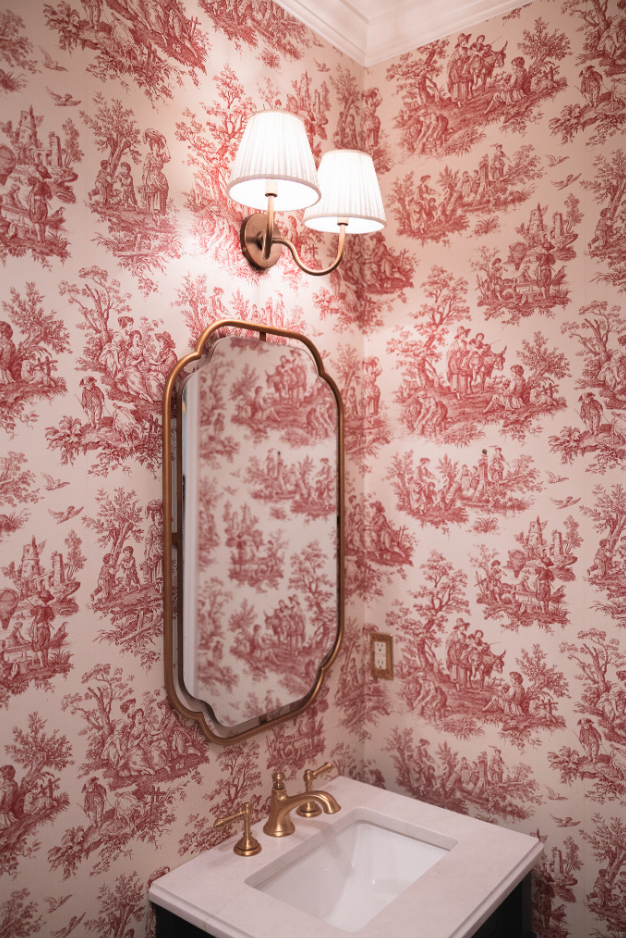
Two words; intentional living.
Americans are moving away from the idea of “disposable” culture, at least when it comes to interior design. We want our home to feel collected over time, not ordered online overnight. With Modern European, we take a standard floor plan and give that extra bit of design oomph we all strive for. So, while we can’t point to one specific person, we’ll credit all of the European designers who have settled in America with bringing this movement to us.
What to Ask & What You Might Be Asked About Modern European
If you’re considering a Modern European renovation or new build, here are some questions that a designer may ask you and questions we recommend you ask your designer.
Questions From You
Question: How will you balance the “coldness” of modern furniture with the warmth of my home’s architecture?
Reason: You’ll want to know how your designer will bridge the gap between industrial materials and the cozy elements of your home.
Question: Where do you recommend we invest in “forever” materials versus “trend” pieces?
Reason: You want to get the most out of your budget! Put your money into things that are difficult or expensive to change, and be flexible with those easy to swap items.
Question: How can we incorporate my existing heirlooms into a modern layout without it feeling dated?
Reason: You want your space to feel modern, but you also want it to reflect you and your family.
Question From Your Designer
Question: How do you want the room to feel: Airy and museum-like, or cozy and lived-in?
What to think about: Consider if you value a more curated look or more functional comfort.
Question: Are you comfortable with materials that age, an example being marble that might etch?
What to think about: Your preference on a minimalist, pristine look, or a more lived-in one with natural materials.
Question: Which is more important to you: A room filled with many functions, or a room that highlights a few statement objects?
What to think about: It’s important to think about whether you prioritize a space that works for your daily habits, or one that feels more artistic.
A Space That’s Always Been There
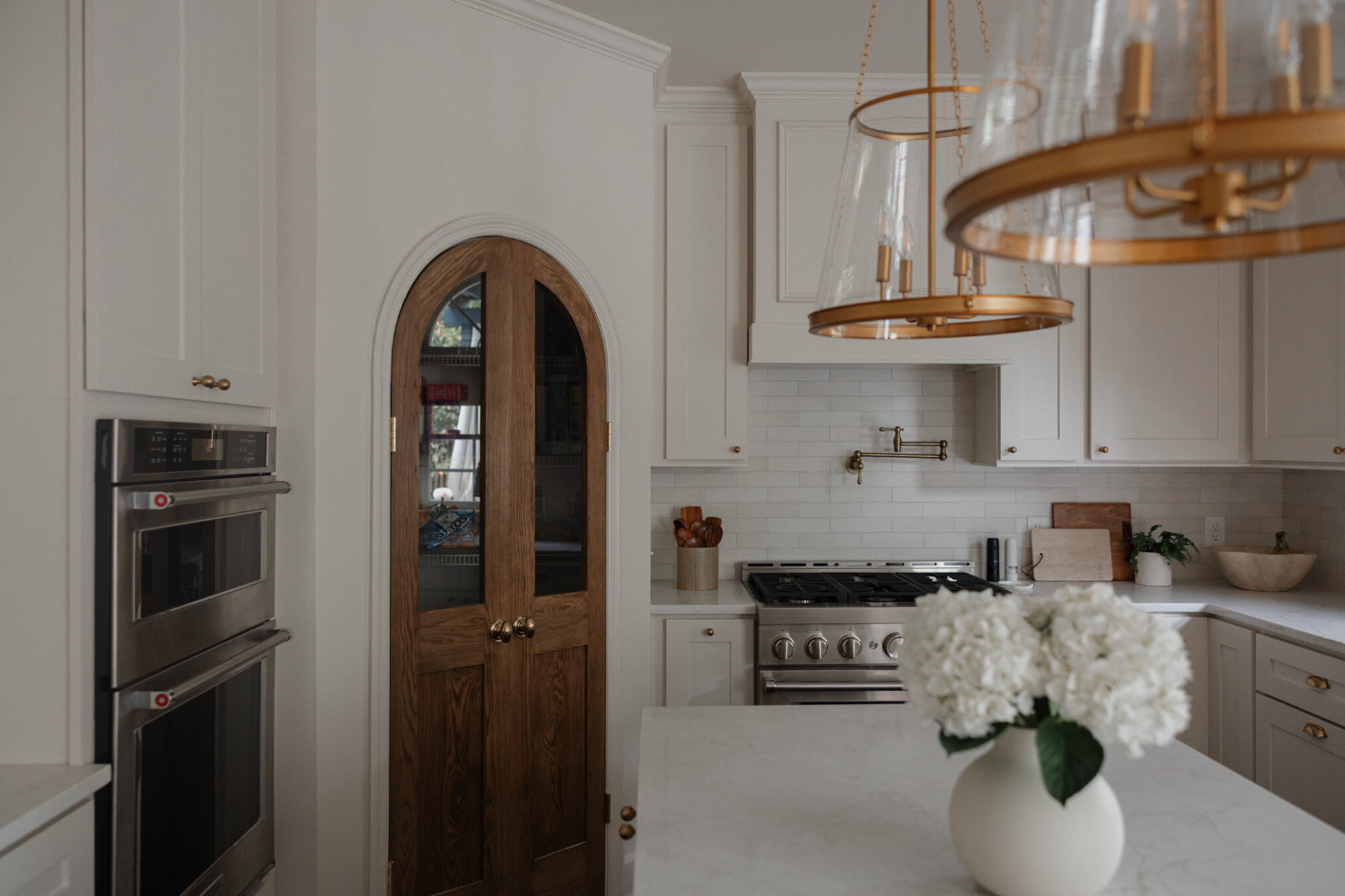
Modern European is about creating a space that feels like it has always been there, even if it was finished yesterday. Whether you’re planning a full-scale renovation or simply looking to elevate a single room, the goal is the same: to create a home that is as functional as it is beautiful.
About the Author
Megan Paterson is the Principal Designer and Founder of Megan Paterson Interiors, an Atlanta-based studio specializing in interior design, full-service renovations, and new builds. Since founding the studio, she has led projects across North Atlanta’s Johns Creek, Alpharetta, Milton, Sandy Springs, Brookhaven, and Buckhead communities, and has been featured in Shoutout Atlanta. She works across a range of interior design styles with all of her projects built around each client’s taste and how they actually live.
All content on this site is produced in accordance with our editorial standards, including our policies on sourcing, accuracy, and corrections.

Be the first to comment